
Global Health & The World Health Summit 2025 – “Taking Responsibility for Health in a Fragmenting World” – Community Perspective
By: Afeez Akinleye
“Health is not just about the individual—it is about the family, the neighbor, and the community we build together.” Such is the situation of Amina Balogun, a newcomer to Canada, who faced a dilemma many families know too well: Her child had been coughing persistently, and she didn’t know where to turn. Language barriers, an unfamiliar healthcare system, and the pressure of balancing work and family left her feeling overwhelmed.
It wasn’t until her neighbor Marco, a part-time care aide, stepped in that she found the support she needed. Together, they accessed a community clinic, and Marco helped her understand the importance of timely medical attention. Amina’s story reflects the real challenges many newcomers, families, and young workers face in navigating healthcare in British Columbia and Canada as a whole.
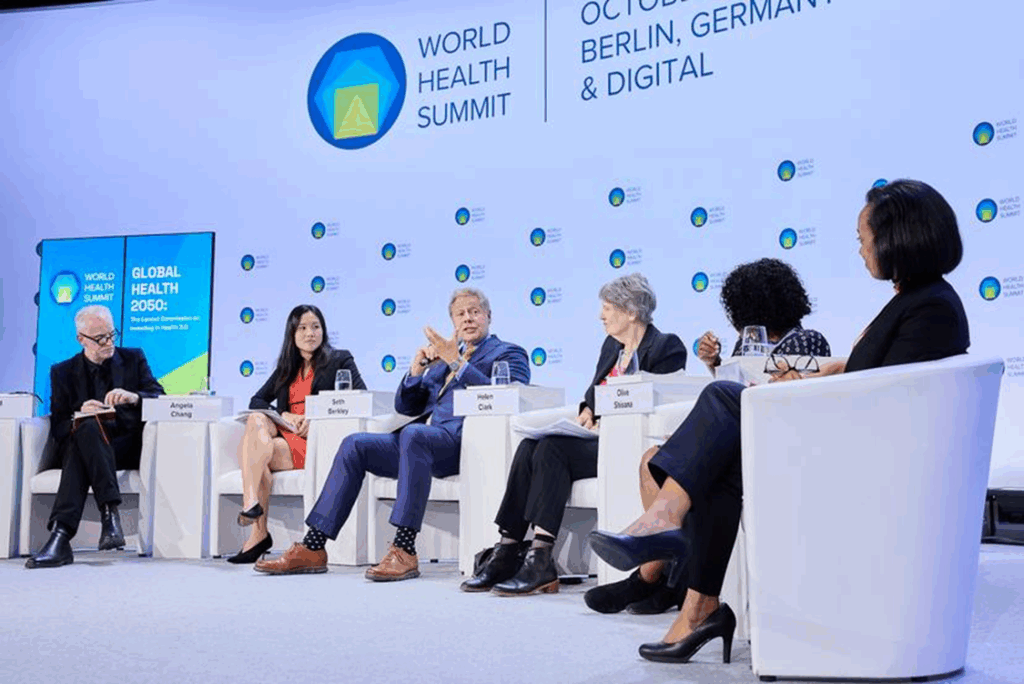
The World Health Summit 2025, would be held in Berlin from October 12 to 14, explored global health challenges that resonate directly with local communities. Its theme, “Taking Responsibility for Health in a Fragmenting World“, highlighted interconnected health issues and the collective responsibility to act.
While these discussions happen globally, their implications are deeply local: they influence how families access care, how professionals respond, and how communities organize support.
Pandemic Preparedness and Health Equity:
The Summit will continue to wrestle with post-COVID lessons: building resilient surveillance, maintaining surge capacity, and equitable global access to diagnostics, vaccines, and therapeutics.
Global bodies and academic reviews highlight gaps in rapid detection, supply chains, and community-level services that left some populations vulnerable during COVID and call for sustained investments in preparedness rather than one-off emergency spending. Canada and provinces (including BC) continue to strengthen stockpiles, wastewater monitoring, and emergency response planning.
Practical angle for community: continued attention to local testing, vaccination where indicated (influenza, COVID when recommended), and knowing where to access trusted local public health advice (PHAC / BC public health web pages). Post-COVID lessons revealed vulnerabilities in early detection, public health communication, and access to vaccines or treatments.
In BC, these challenges show up as long wait times and uncertainty about where to seek care. Health equity is intertwined: when newcomers or low-income households cannot access timely services due to language, transportation, or financial barriers, everyone in the community is affected.

Practical Steps for Families, Neighbors, and Young Workers:
– Register with a local community clinic and ensure all vaccinations are up to date.
– Learn and use trusted provincial health resources (BCCDC) and settlement agencies to navigate the system.
– Participate in workplace wellness programs, and encourage colleagues and peers to access care and follow public health guidance.
– Share information with neighbors and support one another in accessing healthcare services.
– Engage in community forums to advocate for culturally sensitive, inclusive, and accessible services.
Professionals also play a crucial role by strengthening multilingual communication, developing rapid-response systems,
and designing services that ensure equitable access for all residents.
Climate and Health
Wildfire smoke, heatwaves, and shifting disease patterns already affect vulnerable populations—children, older adults, outdoor workers,
and residents in poorly ventilated homes. Communities that proactively prepare can mitigate these risks.
Key Takeaways:
– Track air quality alerts and assemble “smoke-season kits” with masks and air filters.
– Check on vulnerable neighbors and support each other during extreme weather.
– Advocate for cleaner air and climate-resilient community planning.
Mental Health
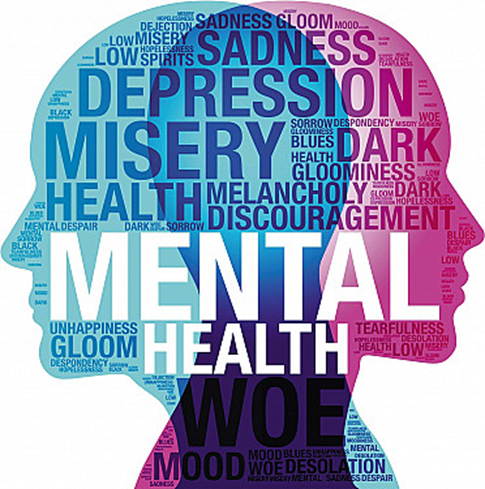
Stress from relocating, juggling work and family responsibilities, and coping with environmental hazards can strain mental well-being. Accessible mental health resources and community support networks are crucial for resilience.
Key Takeaways:
– Identify local mental health supports, counselling services, and crisis lines.
– Organize peer networks, storytelling circles, or community workshops to reduce isolation.
– Implement culturally sensitive programs in workplaces, schools, and community centers.
Antimicrobial Resistance (AMR)
AMR, the “slow pandemic,” threatens effective treatment for infections. Misuse of antibiotics and gaps in infection prevention increase the risk for all. AMR, the “slow pandemic,” threatens effective treatment for infections. Misuse of antibiotics and gaps
in infection prevention increase the risk for all.
Key Takeaways:
– Take antibiotics only when prescribed and complete the full course.
– Maintain good hygiene and follow infection prevention practices.
– Support hospital and community stewardship programs to reduce AMR.
The Power of Collective Action
For instance, imagine the collective impact if every newcomer family registered with a community clinic, every young worker participated in a workplace health program, and every professional championed culturally sensitive public messaging.
Children would have timely vaccinations, families could navigate care without fear or confusion, young workers would strengthen workplace wellness and peer support, and vulnerable populations would experience equitable access to services.
The ripple effect would extend beyond health outcomes: stronger social cohesion, more resilient neighborhoods, and empowered communities capable of facing climate or health crises together.
Communities in BC have the tools to turn these global lessons into local action. Newcomers can learn where and how to access care, families can maintain vaccinations and monitor environmental risks, young workers can engage in wellness initiatives,
and professionals can strengthen preparedness, messaging, and service design.
Health is a shared journey. Global themes—pandemic readiness, climate impacts, equity, mental health, and antimicrobial resistance—aren’t distant challenges. They touch daily life in our homes, workplaces, and neighborhoods. Navigating Canada’s healthcare system may feel complex, but every informed step—registering at a clinic, speaking up, supporting a neighbor—strengthens individual and community wellbeing.
Responsibility for health is local as much as it is global, lived every day by families, newcomers, young workers, and professionals alike.
Practical Action Plan: Navigating Health in BC
For Newcomers & Families:
– Register with a local community clinic.
– Keep vaccinations up to date.
– Learn and use provincial health resources (BCCDC).
– Connect with settlement agencies or community organizations for guidance.
– Prepare for climate-related risks (wildfire smoke kits, emergency plans).
For Young Workers:
– Participate in workplace health and wellness programs.
– Support peers and neighbors in accessing care.
– Stay informed about public health updates and guidance.
– Engage in mental health awareness and peer-support networks.
For Professionals:
– Strengthen multilingual communication and culturally sensitive messaging.
– Build robust surveillance and rapid-response systems
– Advocate for equitable access to care for vulnerable populations.
– Implement workplace, school, and community mental health programs.
– Promote responsible antibiotic use and infection prevention programs.
Community-Wide Actions:
– Check on vulnerable neighbors—children, elders, newcomers.
– Attend community health forums and workshops.
– Advocate for cleaner air, climate-resilient planning, and safer neighborhoods.
– Take collective responsibility: small actions by families, workers, and professionals multiply to stronger, healthier communities.
REFERENCES
1. World Health Summit 2025 – Provides details about the annual summit, including the theme “Taking Responsibility for
Health in a Fragmenting World” and global discussions on health challenges.
https://www.worldhealthsummit.org/events/annual-whs
2. COVID-19 Lessons Learned Report (BC Government) – Reviews pandemic response in BC, highlighting gaps in public
health communication, early detection, and equitable access to care for marginalized communities.
https://www2.gov.bc.ca/assets/gov/public-safety-and-emergency-services/emergency-preparedness-response-recovery/embc/reports/covid-19_lessons_learned_report.pdf
3. BCCDC Antimicrobial Resistance Dashboard – Provides data on trends in antimicrobial resistance in British Columbia
and emphasizes the importance of responsible antibiotic use.
https://www.bccdc.ca/health-professionals/data-reports/antimicrobial-resistance-utilization/antimicrobial-resistance-dashboard
4. Understanding the Risks of Extreme Heat and Wildfire Smoke (UBC) – Discusses the health impacts of wildfire smoke and
heat exposure, highlighting risks to vulnerable populations.
https://www.med.ubc.ca/news/understanding-the-risks-of-extreme-heat-and-wildfire-smoke/
5. Canada’s 2023 Wildfires Contributed to 87,000 Early Deaths Worldwide (LiveScience) – A study showing the global health
impact of Canada’s 2023 wildfires due to air pollution.
https://www.livescience.com/health/canadas-2023-wildfires-contributed-to-87000-early-deaths-worldwide-study-estimates
6. Mental & Emotional Wellness Resources (ISSofBC) – Offers guidance and support for managing mental health and wellbeing, especially for newcomers.
https://issbc.org/tools-resources/mental-emotional-well-being/
7. Culturally Appropriate Counselling & Crisis Support (NewToBC) – Provides settlement agencies and mental health services
to support newcomers navigating stress and mental health challenges.
https://newtobc.ca/news-and-events/blog/culturally-appropriate-counselling-crisis-support-services-in-bc-a-vital-resource-for-newcomers/
8. Antimicrobial Resistance & Utilization (BCCDC) – Displays trends in resistant infections in BC and highlights strategies for antimicrobial stewardship.
https://www.bccdc.ca/health-professionals/data-reports/antimicrobial-resistance-utilization

Despite sending out numerous applications, both within and beyond my province, rejection emails became the norm. Even for entry-level data entry or administrative roles, the replies were often automated messages:
“We’ve decided to move forward with other candidates.”
“We’ve decided to move forward with other candidates.”
Many times, there was no reply at all — just silence.
Imagine paying thousands of dollars in tuition, equipped with global experience and technical expertise, yet struggling to secure even a short-term co-op. It wasn’t only my experience. Every student in my cohort, including computer science majors, faced the same outcome. None of us secured a co-op placement.